
Supporting Health Equity Through Closing the Gap
Learn how Emerald Medical Centre is supporting the Closing the Gap initiative through Aboriginal and Torres Strait Islander Health Assessments, preventative care, and culturally safe healthcare.

Closing the Gap Through Prevention, Partnership and Care
Health equity remains one of Australia’s most significant challenges. Improving health outcomes for Aboriginal and Torres Strait Islander peoples remains a national priority, with a strong focus on prevention, early intervention, and access to quality healthcare. The Closing the Gap initiative seeks to address these challenges and support healthier futures for Aboriginal and Torres Strait Islander communities.
At Emerald Medical Centre, we are committed to supporting ATSI patients through accessible, preventative healthcare and culturally respectful care.
Aboriginal and Torres Strait Islander Health Assessments
One of the most valuable tools available at EMC is the ATSI Health Assessment. These assessments provide an opportunity to discuss health and wellbeing, identify risk factors, detect concerns early, and develop a personalised plan for ongoing care.
By focusing on prevention and early intervention, Health Assessments can help reduce the impact of chronic disease and connect patients with services that support long-term health.
Vaccinations and Preventative Care
Preventative healthcare also includes ensuring patients are aware of vaccinations available through the National Immunisation Program.
Through Health Assessments, GP or nurse consultations, patients can discuss which vaccinations and preventative health measures may be appropriate for them.
Closing the Gap is about more than statistics. It is about ensuring Aboriginal and Torres Strait Islander peoples have every opportunity to achieve the best possible health outcomes and access the care and support they need. Through prevention, education, and a commitment to culturally safe care, Emerald Medical Centre is proud to play its part and strives to contribute to this important goal.
Amy Robertson, Practice Nurse, and Jonathon Somers, Occupational Therapist & Clinical Coordinator, Emerald Medical Centre
Your health matters to us
Schedule your visit today.
Recommended for You




Early Detection Makes a Difference
Brain health is just as important as physical health, especially as we get older. Early dementia screening can help identify changes sooner, allowing patients and their families to access support, plan ahead, and maintain quality of life. Read more to learn why early detection matters.

Dementia is becoming one of Australia’s most significant health challenges, with an estimated 433,300 Australians currently living with the condition. Behind every number, however, is a person, a family, and a story that deserves understanding, dignity, and support.
For many families, memory concerns can be confronting and emotional. It is not always easy to know what may be part of normal ageing and what may require further assessment. Dementia can affect far more than memory alone, impacting communication, confidence, independence, relationships, and emotional wellbeing.
Some people may be at higher risk, including older Australians and those with diabetes, cardiovascular disease, hearing loss, smoking history, social isolation, or a family history of dementia. Early signs can sometimes include forgetfulness, confusion, difficulty finding words, or changes in mood and daily functioning.
Within communities like the Hills, trusted relationships with local healthcare providers can help create earlier conversations around cognitive health and allow people to access support sooner.
At Emerald Medical Centre, there is a growing focus on dementia education, proactive screening, improved care planning, and coordinated support for patients and carers. Over the next 12 months, the clinic will also be participating in further dementia awareness and screening initiatives aimed at identifying and supporting more people at risk earlier.
Families should never feel they are navigating these challenges alone.
Kirby Thompson, Practice Nurse, and Jonathon Somers, Occupational Therapist & Clinical Coordinator, Emerald Medical Centre
Early detection makes a huge difference
Speak with your GP today
Recommended for You



Six Health Checks You Shouldn’t Ignore After 50
Health checks after 50 are one of the best ways to stay healthy as you age. Regular check-ups can help identify potential health concerns early and keep you feeling your best for years to come. Here are six important health checks to discuss with your GP after the age of 50.

1. Heart Health Check (including blood pressure and cholesterol)
High blood pressure and high cholesterol usually have no symptoms but significantly raise your risk of heart attack, stroke and kidney disease. Australian guidelines recommend a Heart Health Check for all adults aged 45–79 (or from age 30 for Aboriginal and Torres Strait Islander peoples).
2. Type 2 diabetes screening
Type 2 diabetes develops gradually and is increasingly common in midlife. A simple blood test can identify early changes, allowing lifestyle adjustments or treatment before complications such as heart disease, kidney damage or vision loss develop.
3. Bowel cancer screening
Bowel cancer is one of the most common cancers in Australia, yet almost 90% of cases can be cured if found early. The National Bowel Cancer Screening Program now offers a free, at-home test (iFOBT) every two years to eligible Australians aged 45–74.
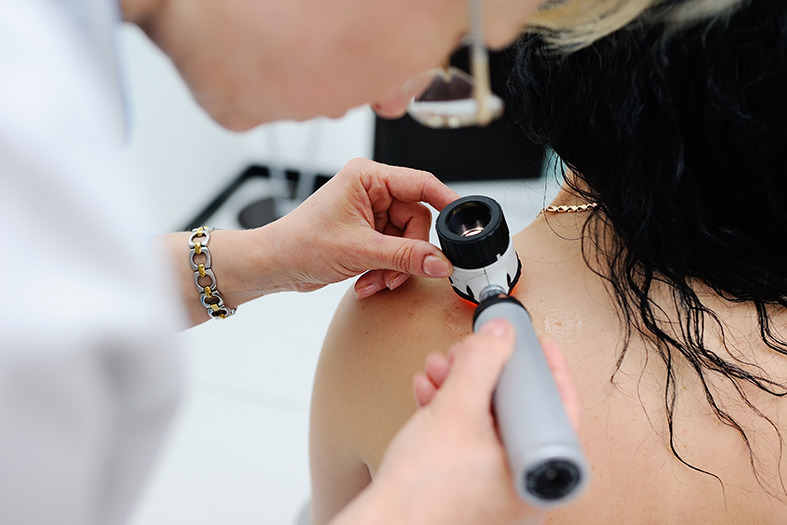
4. Skin checks
Australia has one of the highest rates of skin cancer in the world, so getting to know your own skin and reporting any new or changing spots to your GP is important at every age. Your GP can assess whether you’d benefit from a dedicated check with a GP or dermatologist.
5. Vaccinations
Keeping up to date with recommended vaccines helps protect both you and those around you. Depending on your age and health, these may be the shingles vaccine, the RSV vaccine, and pneumococcal vaccine. Your GP can review your immunisation record and tell you what you’re due for.
6. Breast cancer screening (for women)
Breast cancer is the most commonly diagnosed cancer in Australian women. Regular screening can find breast cancers before they cause symptoms, when treatment is more likely to be straightforward and effective.
Taking a proactive approach to your health doesn’t have to be complicated. Regular check-ups are an opportunity to discuss concerns and stay up to date with screening and preventive care.
Jonathon Somers, Occupational Therapist & Clinical Coordinator, Emerald Medical Centre
Recommended for You


Your Health Matters – Schedule Your Appointment with Us Today!
Book an appointment with us today Book an appointment with us todayPneumococcal Vaccine Free for Eligible Australians

There has been an important update to the National Immunisation Program (NIP), with more Australians now eligible to receive the free pneumococcal vaccine.
From 1 July, the eligible age has been lowered from 75 years to 65 years, helping protect more people earlier against pneumococcal disease.
What is pneumococcal disease?
Pneumococcal disease is caused by the bacterium Streptococcus pneumoniae. While it can sometimes cause mild illness, it can also lead to serious and potentially life-threatening infections, including:
- Pneumonia (lung infection)
- Meningitis (infection of the lining of the brain and spinal cord)
- Bloodstream infections (bacteraemia)
Older adults and people with certain medical conditions are at greater risk of severe illness, making vaccination an important preventative measure.
Who is eligible?
Under the updated National Immunisation Program, the free pneumococcal vaccine is available to:
- Adults aged 65 years and over
- Aboriginal and Torres Strait Islander adults aged 25 years and over
- Adults aged 18 years and over with certain medical risk conditions
If you’re unsure whether you’re eligible, our team can help.
Join our waitlist today
Protect yourself against pneumococcal disease by registering your interest today.
As the updated program rolls out, vaccine stock may be limited. If you think you may be eligible, call Emerald Medical Centre on (03) 5968 4622 to join our waitlist and schedule your pneumococcal vaccination.
Our team will be happy to answer your questions, confirm your eligibility, and help you stay protected against pneumococcal disease.
Other Services at EMC

Welcome Back, Dr. Micaela Kemm!
Dr. Kemm is back consulting at EMC starting on 14 July 2026, Tuesday.

Dr. Kemm is a compassionate and experienced GP providing comprehensive care for patients of all ages.
She is an experienced GP with interests in:
- General practice and preventative healthcare
- Chronic disease management
- Women’s health and contraception
- Paediatrics
- Mental health and youth health
- LGBTQIA+ health, including gender-affirming hormone therapy
- Antenatal and postnatal care
She also performs Implanon insertions and removals and Mirena/IUD removals, and provides trauma-informed care to all patients.
Your health matters.
Schedule your appointment with us today.
Dr. Kemm will resume consulting from Tuesday, 14 July 2026 and will be available:
Tuesdays: 9:30am – 4:00pm
Thursdays: 9:30am – 4:00pm
Book here through our website or contact our friendly reception team to schedule your appointment.
Check our other services

Consultation Fee Increase
Emerald Medical Centre has made some adjustments to consultation fees to help support the ongoing delivery of high-quality healthcare services. We remain committed to providing compassionate, comprehensive, and patient-centred care for our community. See full announcement below for further information regarding these changes.

Please be advised that consultation fees at Emerald Medical Centre will be updated from 1 July. Please refer to the fee schedule below for further details.
At Emerald Medical Centre, our priority has always been to provide our community with high-quality, thorough and compassionate medical care.
To ensure we can continue delivering the level of care our patients expect, consultation fees will increase by 5% from 1 July 2026, in line with CPI and the increasing costs of operating a modern general practice.
Regular Appointments
| Appointment Type | Charge | Medicare Rebate | Out of Pocket |
|---|---|---|---|
| 15-minute Consult | $105.00 | $45.04 | $59.96 |
| 20 to 30-minute Consult | $175.00 | $82.18 | $92.82 |
Mental Health Consultations
| Mental Health Consults | Charge | Medicare Rebate | Out Of Pocket Charge |
|---|---|---|---|
| Mental Health Care Plan (time dependent) | $204 | $108.86 | $95.14 |
| Mental Health Review appointment | $175 | $92.82 | $82.18 |
| Initial Eating Disorder Appointment (time dependent) | $262 | $126.35 | $135.65 |
| Eating Disorder Review Appointment | $175 | $85.82 | $89.18 |
While your Medicare rebate continues to provide valuable support, it does not fully reflect the increasing costs of delivering modern general practice. We have worked hard to keep fee increases to a minimum, and this adjustment allows us to continue investing in our doctors, nurses, staff, facilities and services.
We understand that any increase in healthcare costs can have an impact and appreciate your understanding. Our commitment remains unchanged: to provide accessible, comprehensive and patient-centred care for the Emerald community.
Thank you for your continued trust and support.
Your health matters to us.
Schedule your appointment today.
FluMist® Needle-Free Flu Vaccine Now Available at EMC
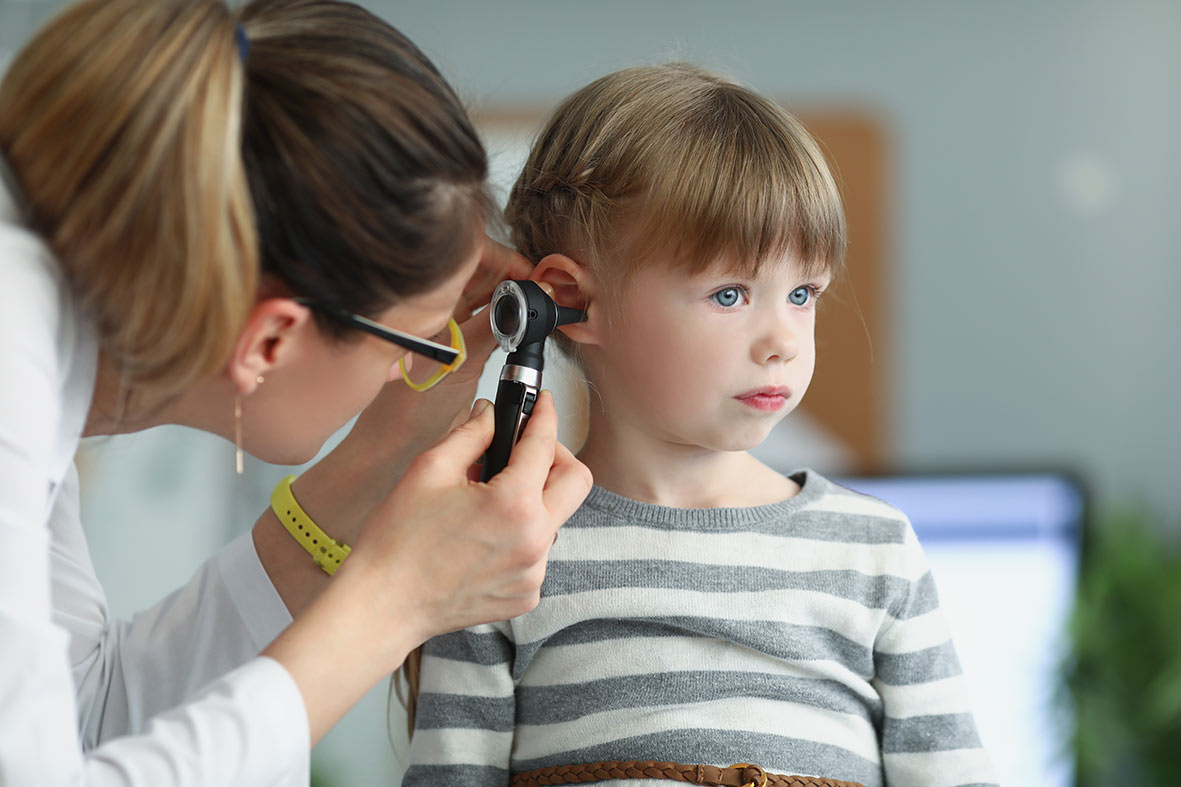
FluMist® is given as a gentle nasal spray rather than a traditional injection, making it a helpful option for children who may feel anxious about needles.

What is FluMist®?
FluMist® is a needle-free influenza vaccine administered using a small nasal spray applicator. The vaccine is sprayed into each nostril and the procedure usually takes less than a minute.
Children can breathe normally during administration, and the vaccine is generally very well tolerated.
How Does FluMist® Work?
FluMist® contains a live attenuated (weakened) form of the influenza virus. The virus has been modified so it cannot cause influenza illness, but it helps the immune system recognise and respond to the flu virus.
Because it is delivered directly into the nose — where influenza infections commonly begin — FluMist® helps the body develop strong immune protection against influenza.
Why is Influenza Vaccination Important?
Influenza is a highly contagious viral infection that affects the nose, throat and lungs. It spreads easily through coughing, sneezing and close contact.
Symptoms of influenza in children may include:
- High fever
- Cough
- Sore throat
- Runny or blocked nose
- Headaches and muscle aches
- Extreme tiredness
Some children may also experience vomiting or diarrhoea.
While many children recover within about a week, influenza can sometimes lead to serious complications such as pneumonia, dehydration and hospitalisation.
Children also play a major role in spreading influenza within the community. Vaccinating children can help:
- Protect them from severe illness
- Reduce missed school and childcare
- Help protect vulnerable family members, including babies, grandparents and people with chronic illness
Vaccination remains the most effective way to reduce the risk of influenza infection and complications.

Keep your children healthy and protected
Book an appointment with us today Book an appointment with us todayHow is FluMist® Given?
FluMist® is administered as:
- A small spray into each nostril
- A quick procedure that takes less than a minute
- A needle-free alternative to the traditional flu vaccine
Children generally tolerate the procedure very well.
Do Some Children Need Two Doses?
Children aged 2–8 years receiving the influenza vaccine for the first time may require two doses given at least four weeks apart.
Children who have previously received a flu vaccine usually only require one dose each year.
Our nursing team will advise whether a second dose is recommended for your child.
Is FluMist® Safe?
Yes. FluMist® has been used in millions of children worldwide for more than 10 years.
Common side effects are generally mild and may include:
- Runny nose or nasal congestion
- Mild headache
- Low-grade fever
- Mild fatigue
These symptoms usually resolve within 1–2 days.
Serious side effects are very rare.
Who Should Not Receive FluMist®?
FluMist® is suitable for most children aged 2–17 years. However, it is not recommended for children who:
- Have severe asthma or active wheezing
- Have significantly weakened immune systems
- Are taking certain medications such as high-dose steroids
- Are pregnant
- Are taking aspirin or salicylate medications
If you are unsure whether FluMist® is appropriate for your child, our clinical team can provide advice.
Can FluMist® Be Given With Other Vaccines?
In most cases, yes. Our clinical team will advise if any spacing between vaccines is recommended.
When is the Best Time to Vaccinate?
The best time to receive the influenza vaccine is before the flu season begins, ideally in April or May. However, vaccination later in the season can still provide valuable protection.
FluMist® Available Now at EMC
FluMist® is now available at EMC for $55.
If you would like to book your child’s flu vaccination or speak with our team about whether FluMist® is suitable for your child, please contact the clinic.
Schedule Your Child’s Flu Vaccination Today
Ask our team to know more about FluMist®
Other Services at EMC
Got a question? Reach out below and we’ll get back to you as soon as possible.
Please note confidential information sent over the public email network or via the contact form is not secure and not a preferred method of communicating. Please either phone or fax sensitive information.
Supporting Better Dementia Care in Our Community
Dementia is one of the most significant health challenges facing communities today, yet for many families, it often begins quietly and without certainty. It may start with small moments, forgetting familiar names, repeating conversations, struggling with daily tasks, changes in mood or confidence, or simply feeling that something is “different.” These early signs are often difficult to recognise and can easily be dismissed as a normal part of ageing. For many people, the uncertainty surrounding memory changes can feel confronting, emotional, and at times isolating.

At Emerald Medical Centre, we believe dementia care deserves thoughtful attention, early support, and compassionate continuity of care. As our population continues to age, the importance of improving awareness, screening, education, and ongoing support within general practice becomes increasingly important, particularly within regional communities where trusted relationships between patients and healthcare providers play such a vital role.
Dementia is not a single disease, but rather a term used to describe a range of conditions that affect memory, thinking, behaviour, communication, and the ability to perform everyday activities. While Alzheimer’s disease is the most commonly known form, there are many different types of dementia, each affecting individuals in different ways.
Importantly, dementia affects more than memory alone. It can influence independence, emotional wellbeing, relationships, confidence, decision-making, and quality of life. It also deeply impacts carers, partners, children, and families who often navigate these changes alongside their loved ones.
One of the most important things we can do as healthcare providers is create safe opportunities for earlier conversations and assessment. Earlier recognition allows patients and families to better understand what may be happening, access support services sooner, plan for the future, and receive appropriate medical and emotional support throughout their journey.

Early Support Matters – Talk to Our Team Today
Book an appointment here Book an appointment hereWhile there is currently no cure for most forms of dementia, there are many ways healthcare teams can help support quality of life and ongoing wellbeing. Treatment and management may include:
- cognitive assessments and monitoring
- medication reviews and management
- support for physical and mental health
- lifestyle guidance focused on brain health
- care planning and coordination
- family and carer support
- referrals to specialist and community support services where appropriate
At EMC, we are continuing to strengthen the way we approach dementia and cognitive care within the practice. This includes further education and training for our clinical team, refining screening and support pathways, and building more proactive and coordinated care processes for patients experiencing memory concerns or cognitive decline.
We are also working toward creating a more supportive environment for families and carers, recognising that dementia care extends far beyond the individual diagnosis itself. Sometimes, what families need most is guidance, reassurance, understanding, and someone willing to walk alongside them through uncertain stages of life.
There has been growing recognition across healthcare of the important role general practice can play in dementia care, and we are grateful for opportunities that allow practices like ours to continue investing in this area for the benefit of our local community.
As a community-focused practice, we understand that continuity of care matters. Knowing our patients over many years, understanding their stories, their health history, and their families, allows us to provide more personalised and compassionate support, particularly in areas as sensitive and life-changing as cognitive health.
Our commitment moving forward is simple: to continue improving the way we support patients and families experiencing memory concerns, while ensuring they feel heard, informed, respected, and cared for every step of the way.
If you would like to learn more about dementia awareness, cognitive health, or proactive health support, we encourage you to speak with your GP during your next visit. Early conversations and ongoing support can play an important role in helping individuals and families navigate cognitive health concerns with greater confidence and care.
Other services at EMC
Got a question? Reach out below and we’ll get back to you as soon as possible.
Please note confidential information sent over the public email network or via the contact form is not secure and not a preferred method of communicating. Please either phone or fax sensitive information.
ATSI Health Assessments
Supporting Aboriginal & Torres Strait Islander Health Through Preventative Care: Better health starts with early support, preventative care, and accessible healthcare for everyone.
At EMC, we are committed to providing accessible, patient-focused healthcare that supports the long-term wellbeing of our community. As part of this commitment, we are currently undertaking a Quality Improvement Program focused on improving healthcare support and preventative care for Aboriginal and Torres Strait Islander patients.
One important part of this initiative is encouraging eligible patients to access an ATSI Health Assessment — a comprehensive health check designed to support overall health, identify potential concerns early, and help patients stay proactive about their wellbeing.
What is an ATSI Health Assessment?
An ATSI Health Assessment is a comprehensive check-up available to eligible Aboriginal and Torres Strait Islander patients. These assessments are designed to provide a broader overview of a patient’s health and wellbeing while supporting early intervention and ongoing care.
The assessment may include:
- General health checks
- Review of medical history
- Mental health and wellbeing discussions
- Lifestyle and preventative health support
- Identification of potential health risks
- Care planning and referrals where appropriate
Preventative healthcare plays an important role in supporting better long-term health outcomes, and regular assessments can help ensure patients receive the right support at the right time.
Who is Eligible for an ATSI health assessment?
Any Aboriginal or Torres Strait Islander person of any age with a current Medicare card may be eligible for a free / bulk billed ATSI Health Assessment.
If you are unsure about your eligibility or would like to learn more about the process, our team is happy to assist.
More services at EMC
EMC’s Commitment to Community Health
EMC aims to continue strengthening culturally respectful, proactive, and accessible healthcare services for Aboriginal and Torres Strait Islander patients within our community.
We believe that early support, education, and preventative care are important steps toward improving long-term health and wellbeing outcomes for individuals and families alike.
To learn more or book an ATSI Health Assessment, please contact our reception team or speak with your GP during your next visit.

Supporting Stronger Community Health – Book Your ATSI Health Assessment Today
Book here Book hereGot a question? Reach out below and we’ll get back to you as soon as possible.
Please note confidential information sent over the public email network or via the contact form is not secure and not a preferred method of communicating. Please either phone or fax sensitive information.
Free Protection Against RSV: Available in Emerald Medical Centre from 15 May
Read more to know how you can access free, long-term protection to stay healthy and independent as you age. We invite you to join our priority waiting list now for a smooth, caring experience with our clinical team. We’re here to answer your questions and help you stay protected this winter.

At Emerald Medical Centre, we are committed to providing our patients with the latest tools to maintain their health and independence.
We are pleased to share that a new government-funded RSV vaccine is now available under the National Immunisation Program for those most at risk in our community.
Here’s everything you need to know about RSV and the vaccine:
RSV (respiratory syncytial virus) is a highly contagious respiratory virus. While it often presents as a common cold, it can become much more serious for older adults, potentially leading to severe illness or hospitalisation. As our immune systems naturally change over time, staying proactive with vaccinations is a key part of healthy ageing.
Who is eligible for the free vaccine?
- Adults aged 75 years and over
- Aboriginal and Torres Strait Islander people aged 60 years and over
Long-Term Protection
The vaccine is administered as a single dose and has been shown to provide protection for up to three RSV seasons. Our clinical team will continue to monitor the latest health evidence regarding any future booster requirements.

Your Health Matters – Schedule Your Appointment with Us Today!
Book here Book hereJoin our RSV waitlist today.
If you or a loved one may be eligible for the RSV vaccine, our EMC team is here to help. 💚
To schedule your RSV vaccination or learn more, please directly call our clinic on (03) 5968 4622 or email mail@emeraldmed.com.au. Our reception team and nurses are happy to answer any questions and help you stay protected year-round.
Other Services at EMC
Contact us
Emerald Medical Centre
1 Murphys Way, Emerald, VIC, 3782, Emerald