Home
Six Health Checks You Shouldn’t Ignore After 50
Six Health Checks You Shouldn’t Ignore After 50
Health checks after 50 are one of the best ways to stay healthy as you age. Regular check-ups can help identify potential health concerns early and keep you feeling your best for years to come. Here are six important health checks to discuss with your GP after the age of 50.
1. Heart Health Check (including blood pressure and cholesterol)
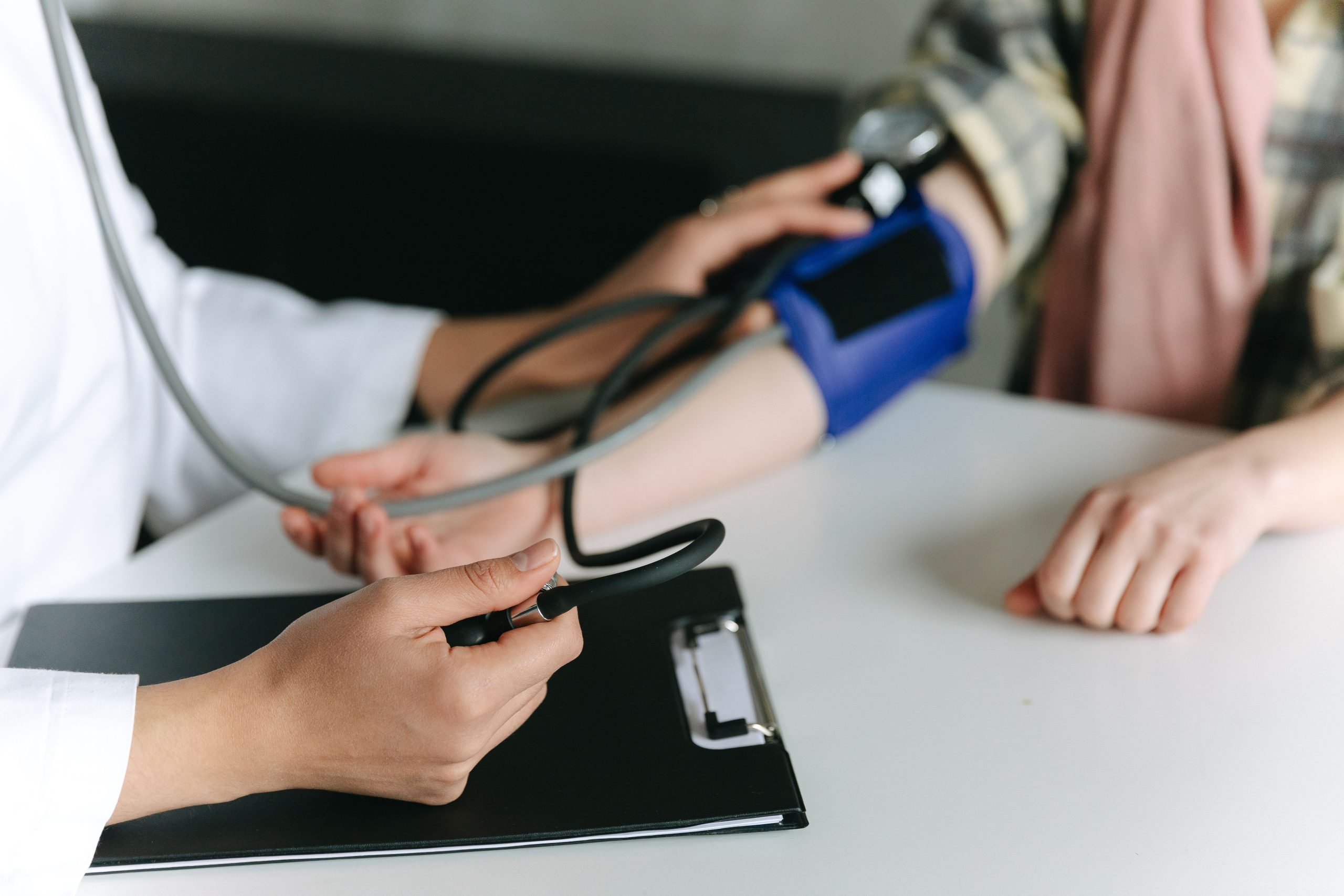
High blood pressure and high cholesterol usually have no symptoms but significantly raise your risk of heart attack, stroke and kidney disease. Australian guidelines recommend a Heart Health Check for all adults aged 45–79 (or from age 30 for Aboriginal and Torres Strait Islander peoples).
2. Type 2 diabetes screening
Type 2 diabetes develops gradually and is increasingly common in midlife. A simple blood test can identify early changes, allowing lifestyle adjustments or treatment before complications such as heart disease, kidney damage or vision loss develop.
3. Bowel cancer screening
Bowel cancer is one of the most common cancers in Australia, yet almost 90% of cases can be cured if found early. The National Bowel Cancer Screening Program now offers a free, at-home test (iFOBT) every two years to eligible Australians aged 45–74.
4. Skin checks
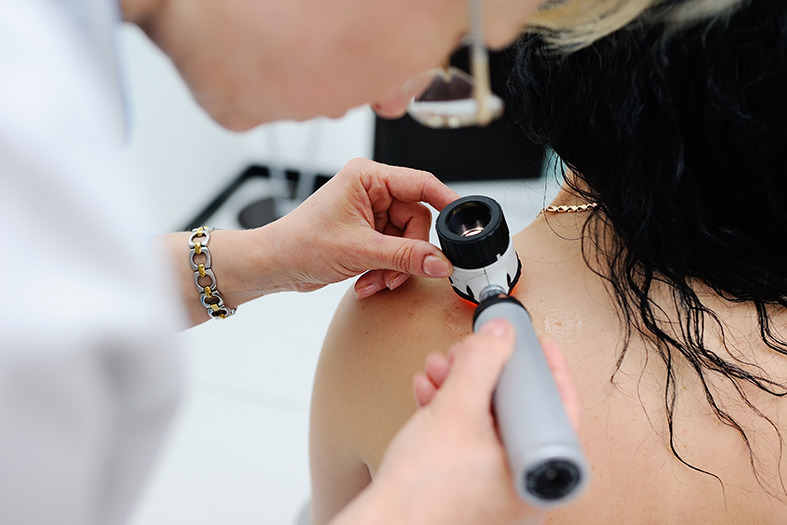
Australia has one of the highest rates of skin cancer in the world, so getting to know your own skin and reporting any new or changing spots to your GP is important at every age. Your GP can assess whether you’d benefit from a dedicated check with a GP or dermatologist.
5. Vaccinations
Keeping up to date with recommended vaccines helps protect both you and those around you. Depending on your age and health, these may be the shingles vaccine, the RSV vaccine, and pneumococcal vaccine. Your GP can review your immunisation record and tell you what you’re due for.
6. Breast cancer screening (for women)
Breast cancer is the most commonly diagnosed cancer in Australian women. Regular screening can find breast cancers before they cause symptoms, when treatment is more likely to be straightforward and effective.
Taking a proactive approach to your health doesn’t have to be complicated. Regular check-ups are an opportunity to discuss concerns and stay up to date with screening and preventive care.
Jonathon Somers, Occupational Therapist & Clinical Coordinator, Emerald Medical Centre
Reviewed by Jonathon Somers, Occupational Therapist · October 2026
Sources: Healthdirect – Manage your health in your 50s · National Bowel Cancer Screening Program
Services at EMC
Recommended for You